Problem Statement
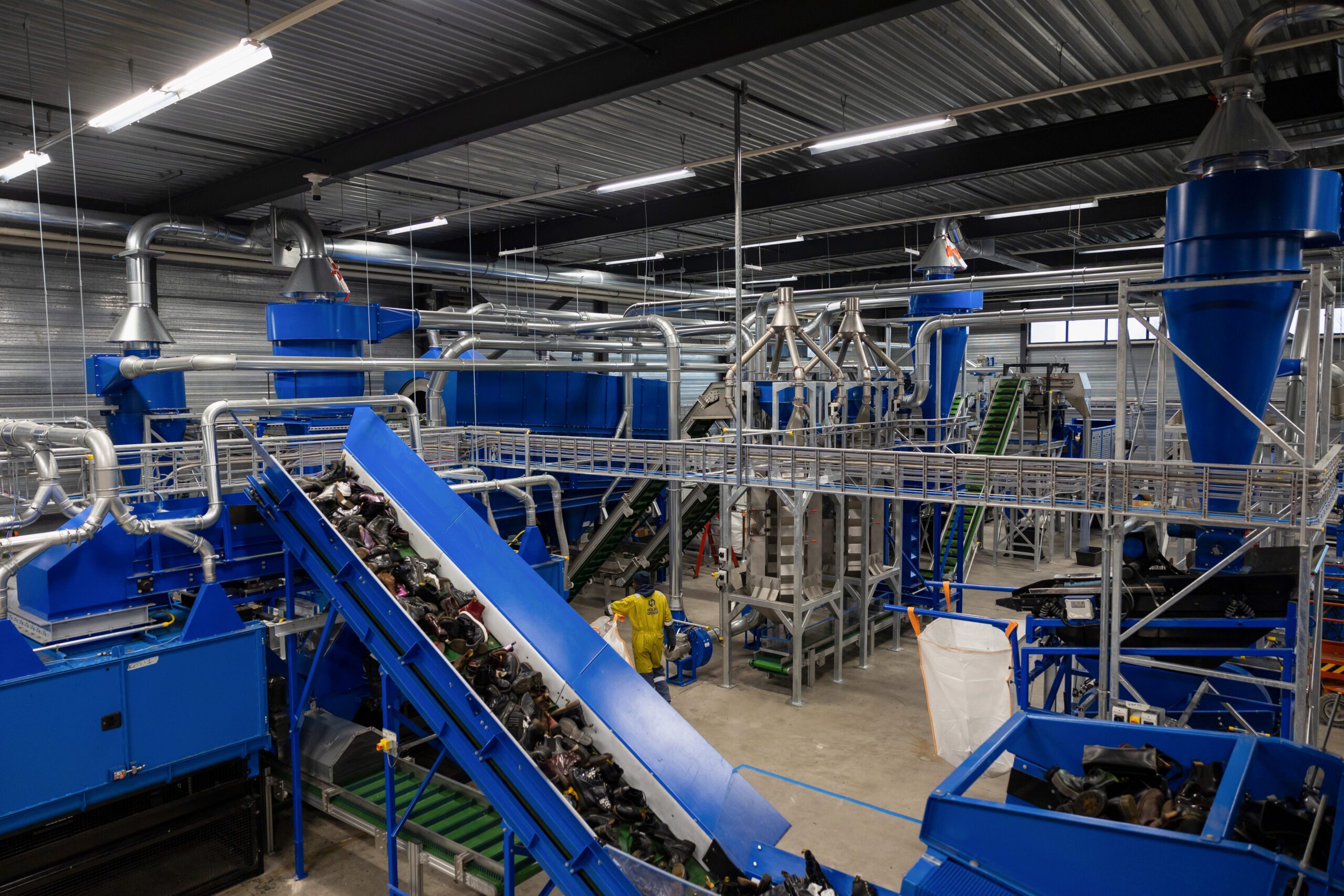
The diversity of constituent materials makes footwear disassembly and recycling very challenging – some footwear is made with over 60+ materials. Scaled technology does not exist that can deconstruct footwear into its composite parts – creating a mixed waste stream. Around 95% of used footwear goes to landfill or incineration. There are many factors that must be considered when thinking about material usage for footwear, especially adhesives – e.g. in sports shoes they need to be able to tolerate flexural stresses and present high comfort and durability.
What do we hope to achieve by working in this area?
Fashion for Good is doubling down their work in this space, building on their existing projects including the Fast Feet Grinded pilot, which tests and validates Fast Feet Grinded’s footwear recycling process. Expanding on existing workstreams Fashion for Good will collaborate with our footwear focused partners, including adidas, Inditex, ON, PVH Corp., Reformation, Target, and Zalando.
How do we address this area?
To effectively address the challenges in footwear sustainability, Fashion for Good identified the key intervention points across the shoe lifecycle and structured work into four core workstreams:
-
Design – Defining circular design in the footwear space and collectively driving guidelines to build a circular infrastructure
-
Materials – Scouting and validating sustainable alternatives for footwear materials including TPU, PU, EVA, leather, and rubber
-
End of Use: Sorting, Disassembly, & Recycling – Developing a comprehensive data set on post-consumer footwear waste flows, including (non-)rewearable fractions, volumes, construction and composition. As well as scouting and validating solutions for repair, end of use, disassembly and recycling of footwear
-
Traceability – Laying the foundation by amalgamating a footwear traceability data protocol to build traceability for evidence to substantiate sustainability claims
Related Projects

The Next Stride: Bio-based Materials for Footwear Soles
“The Next Stride: Bio-based Materials for Footwear Soles” aims to validate the performance and environmental impact of bio-based polymers as sustainable alternatives to the fossil fuel-derived materials currently used in footwear soles. The objective is to collectively de-risk the transition to these “next-generation” materials by rigorously testing their technical properties and assessing environmental benefits. Ultimately, the purpose is to accelerate the adoption of these bio-based solutions and pave the way for a more sustainable footwear industry.
Closing the Footwear Loop
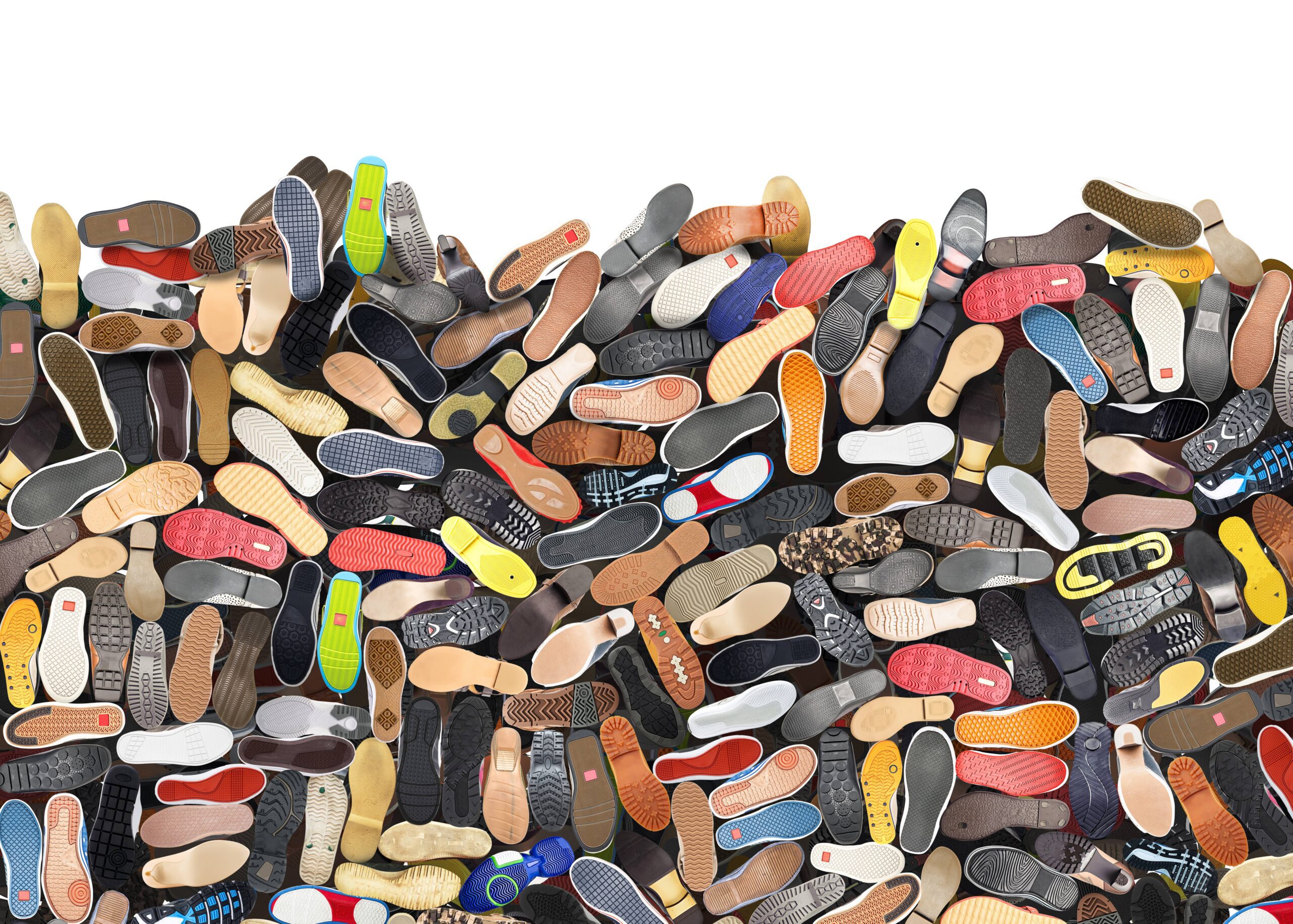
The “Closing the Footwear Loop” project is a major initiative led by Fashion for Good, bringing together 17 leading fashion and footwear brands and their existing circularity programs to tackle the complex challenges of circularity in the footwear industry. The project aims to transform the current linear “take-make-dispose” model into a circular one.
Fast Feet Grinded Collaborative Pilot
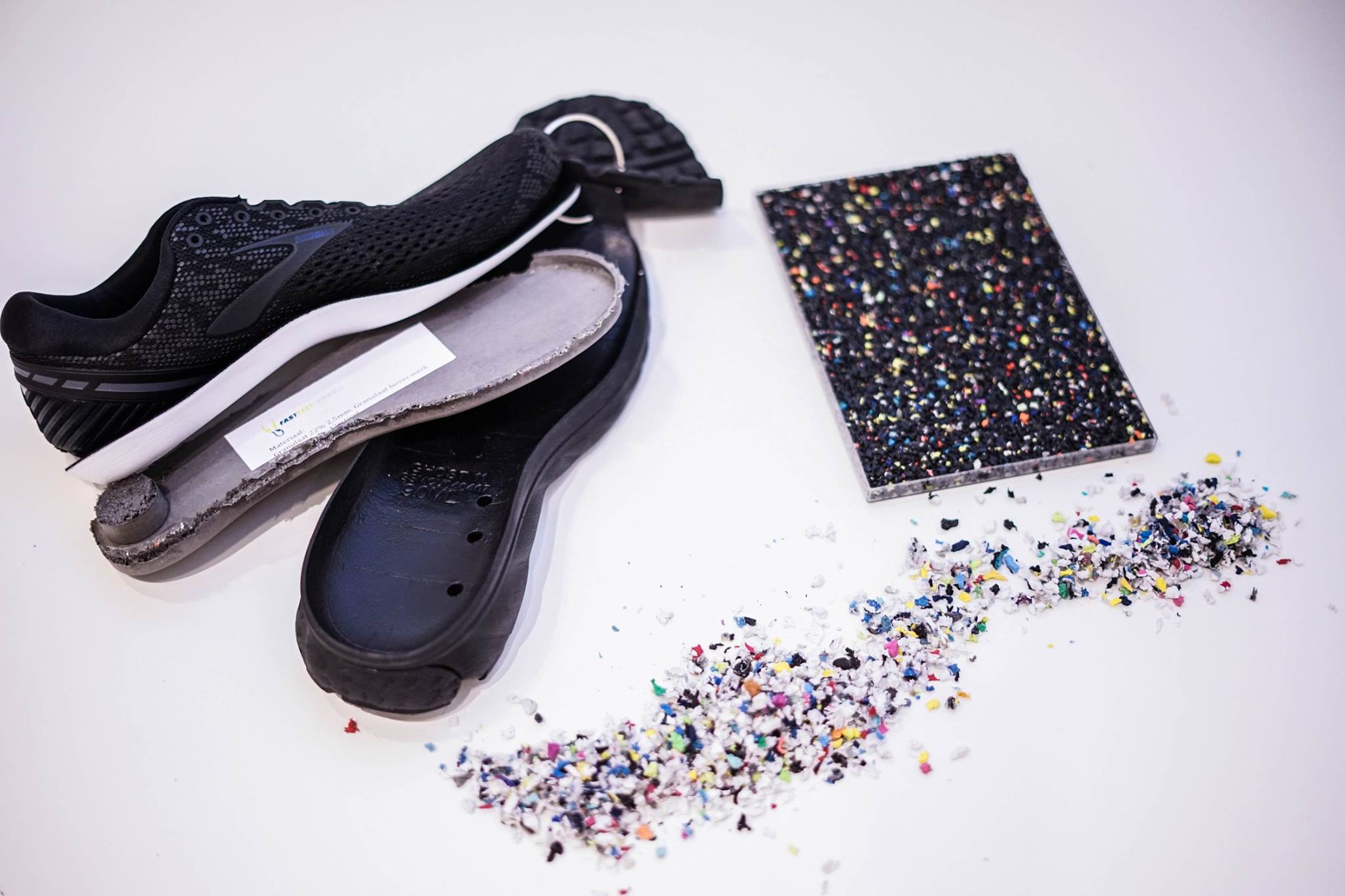
The aim of the pilot was to test and validate the FastFeetGrinded footwear recycling process by evaluating the quality of outputs and understanding the environmental impacts of the process. FastFeetGrinded is a company specialising in footwear recycling that accepts all types of footwear as feedstock to produce sorted material granulates with zero waste streams. FastFeetGrinded aims to deconstruct any type of pre- and post-consumer shoe, separating footwear into substituent components, which are then subsequently grinded down and processed to create material streams for repurposed use.
Relevant Innovators

Balena
Balena has developed BioCir™, the first elastomer that is fully compostable while durable, flexible, soft, and smooth. It combines durability, comfort and 100% composability with a sustainable end-of-life plan.

Matoha
Matoha specialises in automated sorting solutions through near-infrared (NIR) spectroscopy. Their handheld technology enables the accurate identification and sorting of materials, contributing to better diversion of textile waste feedstock to the recycling industry.

FastFeetGrinded
FastFeetGrinded is a company specialising in footwear recycling that accepts all types of footwear as feedstock to produce sorted material granulates with zero waste streams. FastFeetGrinded’s mission and vision is to make the shoe industry circular, by recycling shoes into new shoes and feeding the foam, rubber, and fibre materials produced from post-consumer waste back into the footwear supply chain, as well as other applications such as flooring for playgrounds or outdoor sporting fields.

Picvisa
PICVISA is an innovative technology based company that designs, manufactures and supplies optical sorting and separation equipment to recover and grade textiles and can be fully customised to the clients needs, by its composition and colour. They add value by automating the entire process of sorting using Artificial Intelligence, conveyer belts and robotics to eliminate human error and delay.